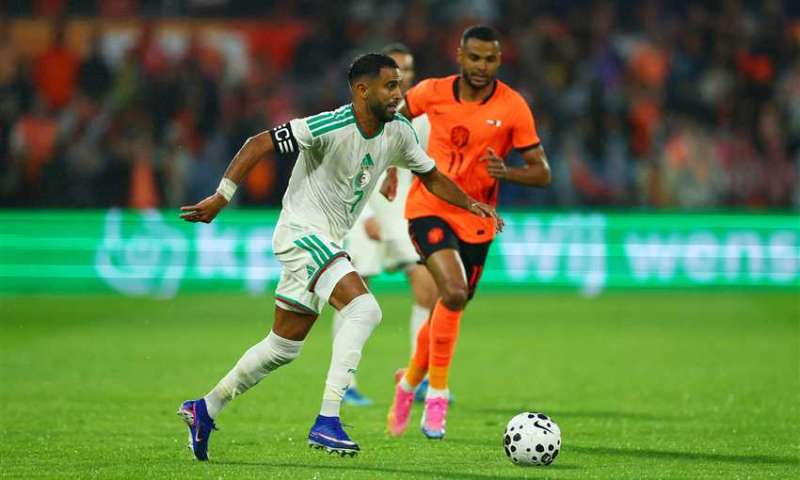
World Cup History: From Its Origins to the Global Pinnacle

The history of the World Cup reads like a saga of drama, excitement, and moments that reshaped the world’s most popular sport. This tournament is more than a competition; it is a cultural and social phenomenon that unites peoples under one flag. To grasp the history of the World Cup deeply, you must trace its roots—an ambitious dream that evolved into the largest sporting event on Earth. This comprehensive guide helps you explore the tournament’s evolution over decades and explains the rules and skills that secured its position atop global sport.
|
| Jules Rimet Trophy: the first emblem in World Cup history. |
The story of global sports content begins with high-quality organization that meets fans’ ambitions. Historical narrative should be useful and enjoyable, presenting facts clearly and accurately. Improving your knowledge of the history of the World Cup enhances understanding of how playing techniques evolved, how refereeing rules were applied, and how modern technologies like VAR were integrated. These advances boosted global viewership and engagement, making the tournament a strong reference for football fans.
The Real Beginning: Uruguay 1930
Start by learning how the concept arose from the passion of Jules Rimet, who envisioned a competition that would bring the continents together. Tracing these origins lets you understand the trajectory of football and achieve the broader perspective you seek. The first edition took place in Uruguay in 1930, motivated by the desire to stage a world championship outside the Olympic Games. Additionally, follow these key starting points to grasp the early milestones:
- Uruguay was chosen as the inaugural host because it celebrated 100 years of independence and had two Olympic golds to its name.
- Only 13 national teams entered the first tournament, as European sides struggled with transatlantic travel.
- The legendary Estadio Centenario was erected quickly to host the very first World Cup final.
- Uruguay claimed the first title after beating Argentina 4–2, laying the foundation for the competition’s prestige.
- Early media coverage grew through print and radio, spreading news of the event worldwide.
- The idea of the “golden trophy” (the Jules Rimet) became an object of desire for national team leaders.
In short, examine the beginnings carefully and skillfully to analyze the success in documenting World Cup history; the continual improvements in organization helped build an unparalleled global football institution.
A Map of World Cup Champions Across Eras
Structuring historical data and presenting key records are essential elements that determine an article’s quality and impact. Below is a comparison table showing the main statistics of the most crowned champions in World Cup history to date.
| Team |
Number of titles |
Years of victory |
Key playing trait |
| Brazil |
5 times |
1958, 1962, 1970, 1994, 2002 |
Beautiful football (samba) |
| Germany |
4 times |
1954, 1974, 1990, 2014 |
Discipline and physical strength |
| Italy |
4 times |
1934, 1938, 1982, 2006 |
Tight defense (catenaccio) |
| Argentina |
3 times |
1978, 1986, 2022 |
Individual brilliance (Maradona and Messi) |
| France |
Twice |
1998, 2018 |
Tactical balance and youth talent |
- Dominance identified 📌 South America and Europe have largely dominated World Cup titles since the tournament began.
- Tactical contrasts 📌 Studying champions’ playing styles reveals football’s shift from “total attack” to “defensive realism.”
- Choosing golden eras 📌 The Pelé era (1958–1970) and Maradona’s peak (1986) were among the most captivating periods for audiences.
- Added value 📌 Historical content should include the political contexts that affected the tournament, such as World War II.
- SEO improvements 📌 Using keywords like “World Cup statistics” and “football legends” can boost an article’s search visibility.
- Sports marketing 📌 Promoting forgotten player stories on social platforms increases public engagement.
With these strategies, you can deepen your grasp of the history of the World Cup and raise your sporting knowledge professionally.
Key Shifts in Tournament Rules
Paying attention to rule details is a core strategy for understanding success in any sport. Content that accurately tracks changes contributes greatly to building a reliable reference. Here are some fundamental shifts that affected the tournament:
- Introduction of colored cards Yellow and red cards first appeared at the 1970 Mexico World Cup to ensure discipline and clarify sanctions.
- Use of substitutions Substitutions were permitted starting in 1970, altering how coaches managed player workload.
- Points system The award for a win changed from two points to three in 1994 to encourage attacking play.
- Goal-line technology Implemented in 2014 to settle disputes over whether the ball crossed the line.
- Video Assistant Referee (VAR) A game-changing addition in 2018 designed to improve fairness and reduce human errors.
- Increase in participating teams The tournament expanded from 13 teams to 16, then 24, then 32, and will reach 48 teams by 2026.
Considering these changes shows how FIFA aimed to enhance the “user experience” (for viewers and players) in the history of the World Cup, ensuring both sporting and commercial longevity.
Icons Immortalized by World Cup History
Great players and coaches are among the essential drivers of any tournament’s success across eras. Their extraordinary talents turned the World Cup into a stage for legends. Highlighting these icons makes content more appealing to audiences seeking inspiration and role models in sports.
Focusing on personal success stories is crucial to understanding World Cup history. The tournament is not just numbers; it embodies emotions and sacrifices. Analyze careers such as Pelé, who won three titles; Maradona, who created the epic of 1986; and Messi, who crowned his legacy in Qatar 2022.
You can deepen your understanding of how individuals influence teams. Paying attention to these narratives helps explain how enduring reputations are built in professional football. Don’t overlook this human aspect; dedicate time and effort to learn how these figures reached the top and secured lasting success in fans’ memories.
Qatar 2022: A Summit of Progress
Your engagement with recent editions is vital for understanding current trends in World Cup history. The Qatar 2022 tournament was more than a competition; it represented a revolution in organization, technology, and surprising results. Here are the effective strategies that made this edition, for many, the best:
- Compact organization👈 It was the first time the event was staged almost within a single urban area, easing movement for fans and media.
- Shocking results👈 The tournament showed the narrowing gap between large and smaller teams (e.g., Saudi Arabia beating Argentina).
- Arab and African breakthrough👈 Morocco reaching the semifinals marked a historic shift for non-European and non-Latin American nations.
- Smart infrastructure👈 Use of cooled stadiums and advanced technologies ensured comfort for players and spectators.
- Legendary finale👈 The Messi vs Mbappé final was hailed by many as among the greatest, boosting the event’s commercial value.
- Environmental sustainability👈 Emphasis on modular venues (like Stadium 974) reflected social responsibility.
By adopting these innovations, the World Cup strengthened global ties and achieved sustainable success in the sports industry.
The Tournament’s Future: Toward 2026 and Beyond
Conclusion: What Do We Learn from World Cup History?
Keeping up with and studying this history is essential to understanding success in the sporting world. It requires staying informed about emerging trends and technologies. From the lessons learned, you can see how leadership skills, teamwork, and handling enormous pressure have evolved in front of millions.
Invest time in reading about great coaches’ tactics and join discussions that analyze historic matches to broaden your knowledge. By continuing this learning, you will be able to offer deeper insight to others about the tournament’s significance. As you keep progressing, you’ll realize football is more than a game; it reflects humanity’s own development.
Ultimately, FIFA’s and national teams’ commitment to continuous improvement shows their true intent to grow and add value for fans, building strong, lasting relationships and ensuring ongoing success in sports documentation and blogging.
Guide Conclusion: In summary, the history of the World Cup demands a careful balance between preserving football traditions and embracing modern innovations. Every sports enthusiast should be familiar with this long journey that began with a simple leather ball and culminated in “smart ball” technology. By applying this information thoughtfully, we can appreciate the effort invested in building this great sporting institution that brings the world together every four years.
Always remember that patience and perseverance forge champions, and the road to the trophy always begins with a small dream and consistent work. Enjoy exploring World Cup history, and be part of the audience that values both art and sport simultaneously.